
Soil Nutrient Guide for Gardeners
Healthy soil is the foundation of every successful garden. Whether you are growing vegetables, flowers, shrubs or trees, the nutrients in your soil play a vital role in plant growth, root development and overall garden health. Understanding what nutrients your soil contains — and what it may be lacking — can make the difference between struggling plants and a thriving garden.
Plants rely on a balanced supply of essential soil nutrients to grow strong stems, produce leaves and flowers, and resist pests and disease.
The 3 Primary Soil Nutrients (NPK)
The three primary nutrients found in most garden fertilisers are nitrogen (N), phosphorus (P), and potassium (K). These are often referred to as NPK and form the backbone of plant nutrition.
Secondary Nutrients Plants Need
Alongside these major nutrients, soils also contain important secondary and trace minerals such as calcium, magnesium, sulfur, iron and zinc, all of which support different aspects of plant health.
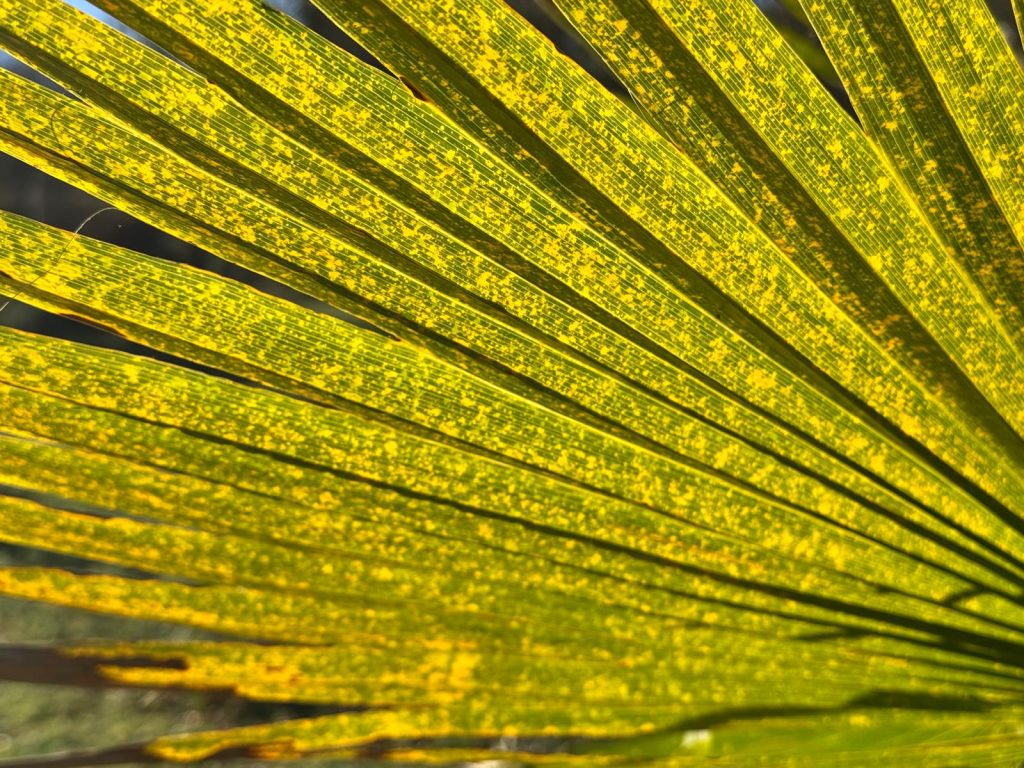
Common Signs of Soil Nutrient Deficiencies
Over time, soil nutrients can become depleted through plant growth, heavy rainfall, poor soil structure, or repeated planting in the same area. When nutrient levels become unbalanced, plants often show visible signs such as yellowing leaves, slow growth, weak stems or poor flowering.
Signs Your Garden Soil May Be Lacking Nutrients
Healthy plants start with healthy soil. Even if you’re watering regularly and providing plenty of sunlight, nutrient deficiencies in your soil can cause problems that are visible in your plants. Learning to recognise these signs of deficiency can help gardeners diagnose problems early and take steps to improve soil fertility naturally.
This is also why making sure your garden soil receives compost and organic natural fertilisers occasionally can really help to improve your soil fertility. Even healthy-looking soil can lack key nutrients, especially the 3 key nutrients Nitrogen, Phosphorus and Potassium (NPK) and each nutrient plays a specific role in plant growth, and when one is missing or out of balance, plants show visible signs.
Below is a guide to the most common nutrient deficiencies and what to look for in your garden plants.
Soil Nutrient Deficiency Guide for Gardeners
| Nutrient | Role in Plant Growth | Signs of Deficiency | Natural Ways to Improve |
|---|---|---|---|
| Nitrogen (N) | Promotes leafy growth, strong stems and vibrant green foliage. Essential for photosynthesis and rapid plant development. | Older leaves turn pale green or yellow, slow growth, small leaves, weak stems. | Add compost, well-rotted manure, grass clippings, or blood meal. Plant nitrogen-fixing plants such as beans or peas. |
| Phosphorus (P) | Supports strong root development, flower formation and fruit production. Important for young plants and seedlings. | Purple or dark green leaves, poor flowering, slow root growth, weak seedlings. | Add bone meal, compost, fish meal, or rock phosphate. Improve soil warmth and drainage. |
| Potassium (K) | Helps plants fight disease, regulate water and strengthen overall plant health. Important for fruiting crops. | Yellow or brown leaf edges, weak stems, poor fruit production, plants easily stressed by drought. | Add wood ash, compost, seaweed feed, or organic potassium fertilisers. |
| Calcium | Builds strong cell walls, helping plants grow sturdy stems and healthy new growth. | Blossom end rot in tomatoes, distorted new leaves, weak plant structure. | Add garden lime, crushed eggshells, or compost. |
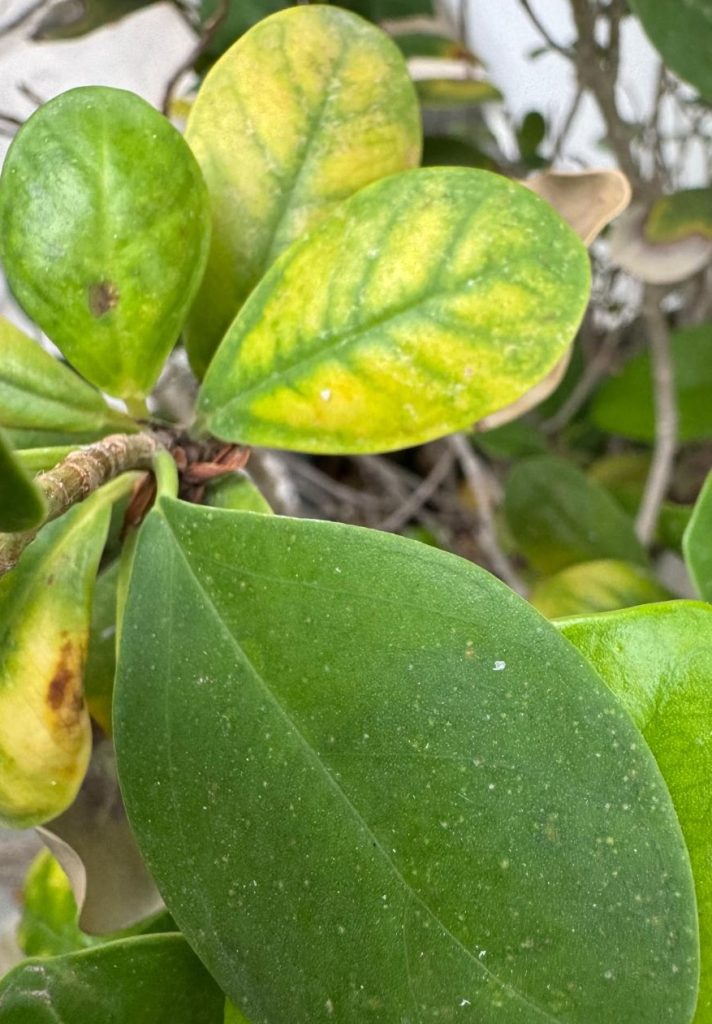
| Magnesium | Essential for chlorophyll productionand photosynthesis. Helps plants absorb other nutrients. | Yellowing between leaf veinswhile veins remain green (interveinal chlorosis). | Add Epsom salts (magnesium sulfate) or compost. |
| Iron | Important for chlorophyll formationand healthy leaf colour. | Young leaves turn yellow but veins remain green. | Improve soil organic matter and avoid overly alkaline soil conditions. |
| Sulfur | Supports protein production and enzyme function in plants. | New leaves turn pale yellow, similar to nitrogen deficiency but affects younger leaves first. | Add compost, manure, or sulfur-rich organic fertilisers. |
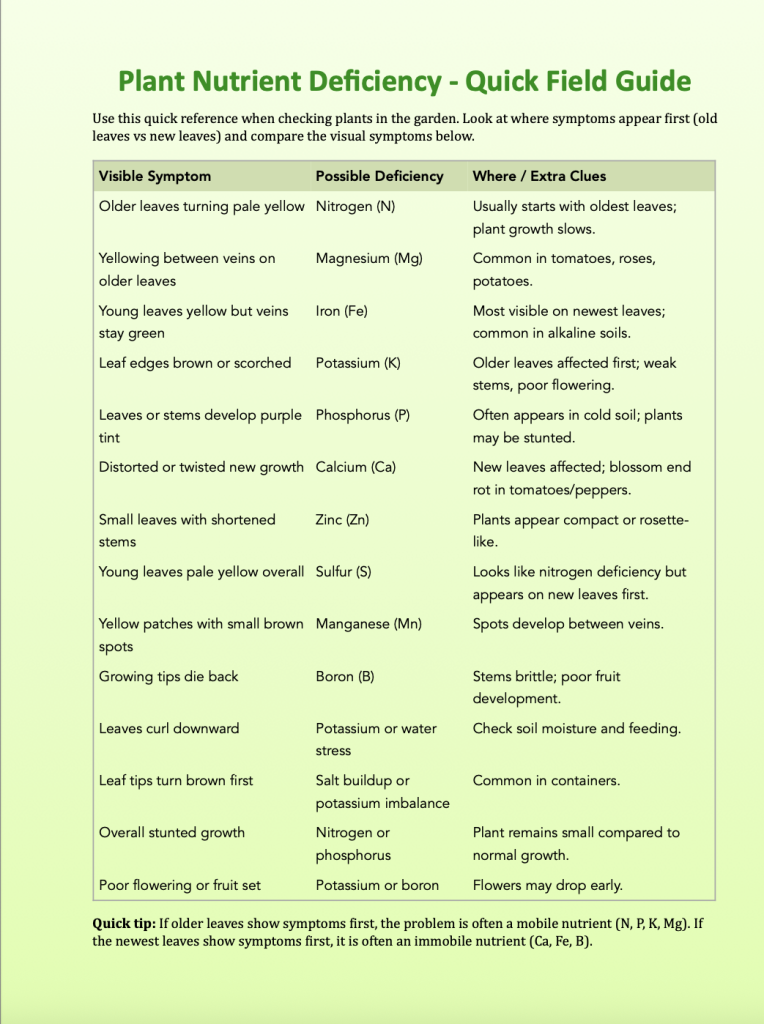
Free Plant Nutrient Deficiency Quick Field Guide
✔ Recognise common leaf symptoms
✔ Identify likely nutrient problems
✔ Use the quick outdoor symptom checker
Quick Reference Plant Symptoms
- Yellow Leaves → Often nitrogen, magnesium, or iron deficiency
- Purple Leaves → Usually phosphorus deficiency
- Brown Leaf Edges → Potassium deficiency
- Slow or Stunted Growth → Nitrogen or phosphorus deficiency
- Distorted New Leaves → Calcium deficiency
Why Soil Nutrients Become Depleted
- Intensive vegetable gardening
- Heavy rainfall washing nutrients away
- Repeated planting in the same area
- Poor original soil structure or low organic matter
- Sandy soils losing nutrients quickly
There are very easy, home-made tests that can be done to get an idea of potential deficiencies in your soil. The first step is to test your soil to understand its structure and nutrient strengths or weaknesses.
Soil nutrient deficiencies are often linked to soil type
Soil nutrient deficiencies are often linked to the soil type, it’s drainage, pH levels and the soil’s organic matter content. Testing your soil regularly can help you understand which nutrients are available and which may need improving. Once you know your soil’s nutrient balance, you can amend it naturally using compost, organic fertilisers and soil-building techniques.
If you’re unsure what nutrients your soil contains, the first step is to test your soil. By identifying what your soil needs, you can take targeted steps to restore balance and create rich, fertile soil that supports healthy plant growth year after year.
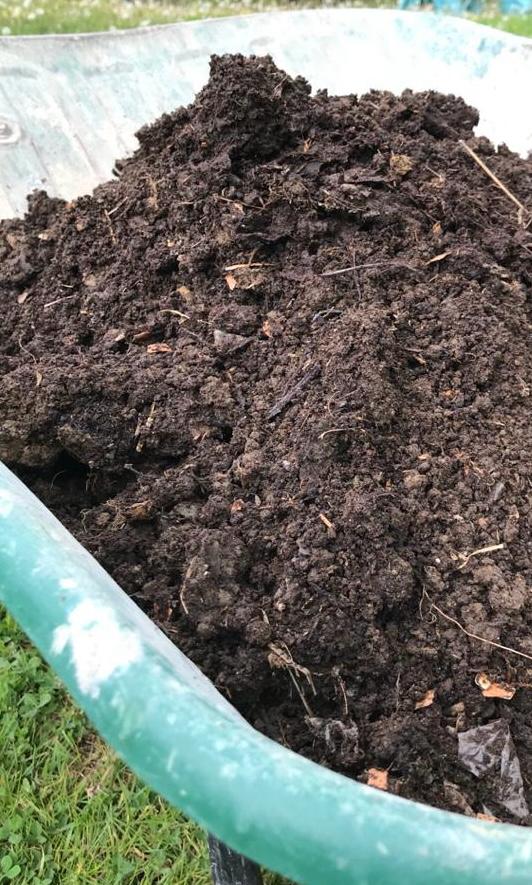
Key Nutrients Your Garden Soil Needs
In the sections below, we’ll explore the key nutrients found in garden soil, the role each one plays in plant development, and practical ways gardeners can naturally improve soil nutrition. how-to-test-your-soil
🟣 Phosphorus (P)
For healthy roots, flowers and fruit
Symptoms: Purplish leaves, poor flowering, slow growth, weak roots.
Causes: Cold or compacted soil, or acidic soil – low pH, overuse of nitrogen blocks phosphorus availability
Fix: Apply bone meal or rock phosphate or balanced organic fertiliser .
🟠 Potassium (K)
For strength, disease resistance, water regulation and fruit quality
Symptoms: Brown or yellow leaf edges, weak stems, easily affected by pests and drought.
Causes: Sandy soils or overwatered soils which causes nutrient imbalances such as high calcium or magnesium which blocks potassium uptake.
Fix: Add kelp meal, wood ash (lightly), or sulphate of potash.
⚪ Calcium (Ca)
For strong cells and healthy root and leaf growth
Symptoms: Distorted young leaves, Blossom end rot, weak stems and stunted growth.
Causes: Acidic soil -low pH, inconsistent watering, lack of lime or gypsum.
Fix: Add lime, gypsum (for non acidic soils), or crushed eggshells
🩶 Magnesium (Mg)
For vibrant green, healthy leaves
Symptoms: Yellowing between veins on older leaves whereas new leaves remain green, older leaves may curl and drop prematurely.
Causes: Acidic soil, excess potassium or calcium blocks absorption of magnesium.
Fix: Use Epsom salts or dolomitic lime.
🟤 Iron (Fe)
For lush and strong new growth
Symptoms: Yellow new leaves with green veins, more visible in new leaves.
Causes: Alkaline soil – high pH, too much lime, poor drainage or compacted soil with reduced oxygen.
Fix: Lower pH or use iron chelates supplements
🟡 Sulphur (S)
For steady growth and rich colour
Symptoms: Uniform yellowing of new leaves, slow growth.
Causes: Soils low in organic matter, sandy soils or well-draining soils, also air pollution controls reducing natural sulphur deposition .
Fix: Add compost or gypsum or organic fertilisers container sulfur.
🟩 Nitrogen (N)
For strong, lush, leafy green growth
Symptoms: Yellowing of lower leaves, slow growth.
Causes: Soils low in organic matter, or after heavy rainfall which washed nutrients away, or due to excess carbon mulch.
Fix: Add well rotted compost, manure, or nitrogen rich fertilisers such as fish emulsion.
Organic Matter
The Secret To Living Soil
Organic matter improves structure, holds moisture, and feeds soil organisms like worms and microbes. Compost, leaf mould, and manure help nutrients stay available to plants. Regularly adding organic material is one of the simplest and most effective ways to build soil fertility long-term
Soil pH Balance
For nutrient availability and overall health
Soil pH affects how easily plants can absorb nutrients. Most garden plants prefer slightly acidic to neutral soil (around pH 6–7). If soil is too acidic or alkaline, even rich soil can cause nutrient lockout. Testing and adjusting pH helps your plants make the most of the nutrients you’ve worked to provide.
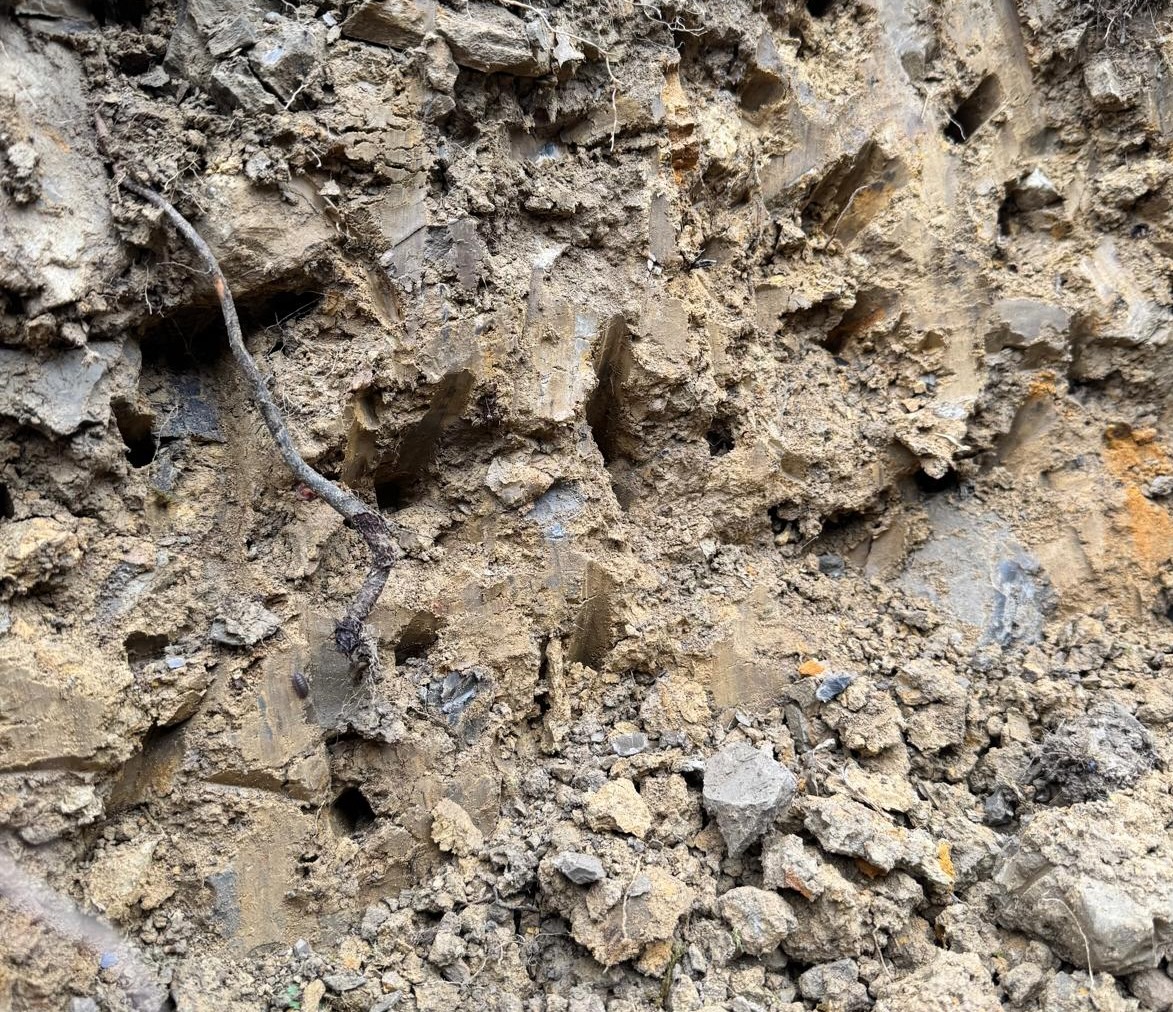
Soil Solutions
Fixing Common Garden Soil Problems
Discover simple ways to improve heavy clay soil, sandy or waterlogged soil for healthier plants and easier gardening. A simple guide to soil types & improving garden soil.